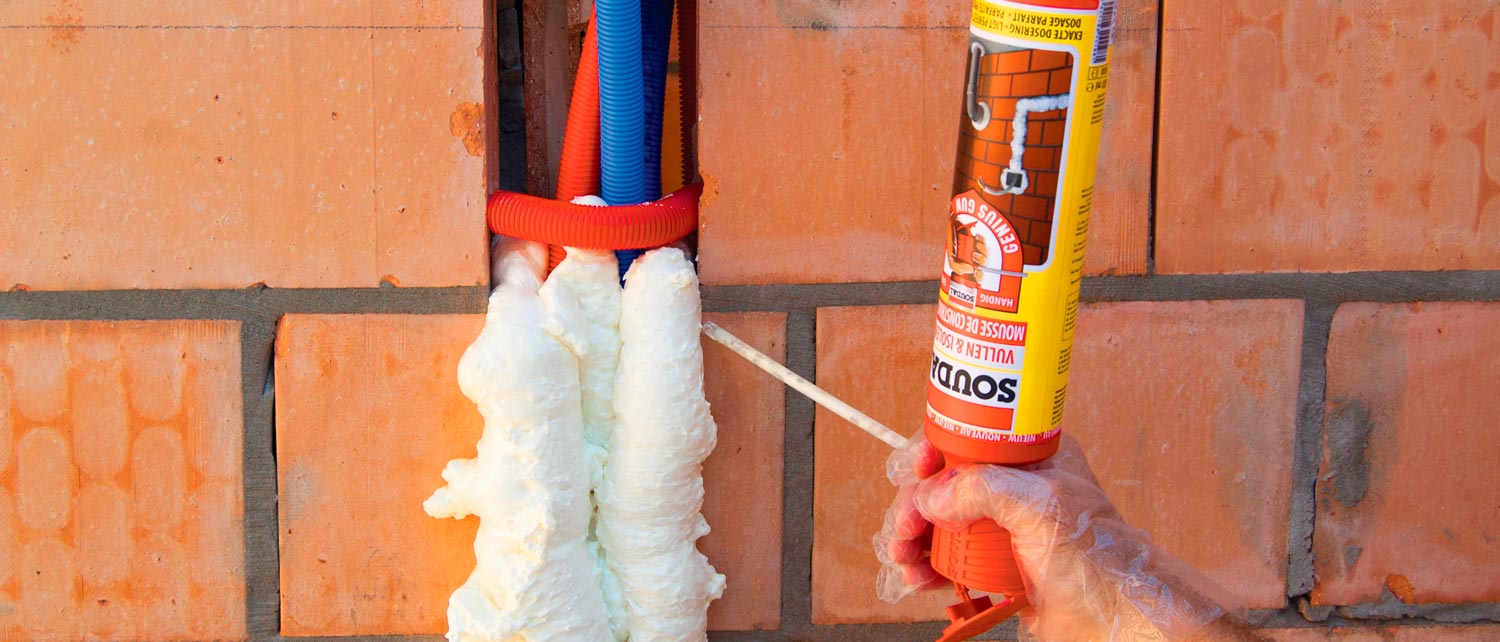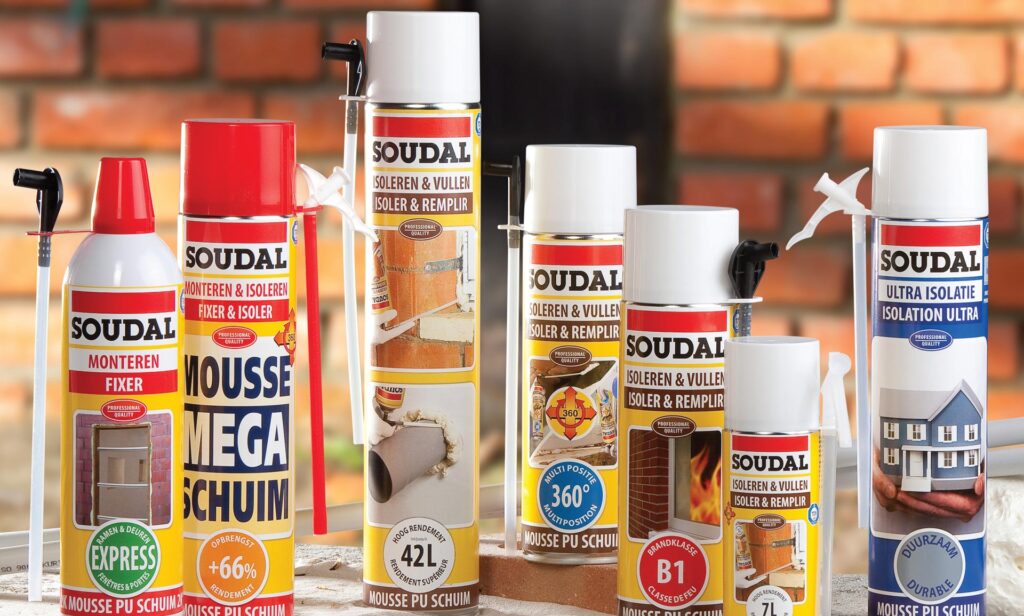
PU foam applied around a construction opening

Fill, insulate and install with control

Soudal PU Foams

High Yield, Self-expanding Foam

PU foam, explained

What one-component PU foam does.

Soudal PU foams are one-component products applied through a foam gun or an included straw. Once dispensed, the foam reacts with moisture, expands and cures into a semi-rigid material that fills suitable gaps and cavities.

The cured foam contains millions of small cells. This structure helps improve thermal and acoustic continuity around window frames, service penetrations and other irregular gaps.

Because the foam expands after application, a small can fills a much larger volume. Under the stated test conditions, a 750 ml can yields up to 60 litres of cured foam. Actual yield depends on the product, temperature, humidity and application method.

Soudal’s formulations balance yield, density, cell structure and dimensional stability so the foam expands efficiently and remains stable after curing.

Choose the foam that matches the required yield, insulation and installed detail. Each product page brings together the relevant TDS and supporting reports, including tested fire-resistant systems where applicable.
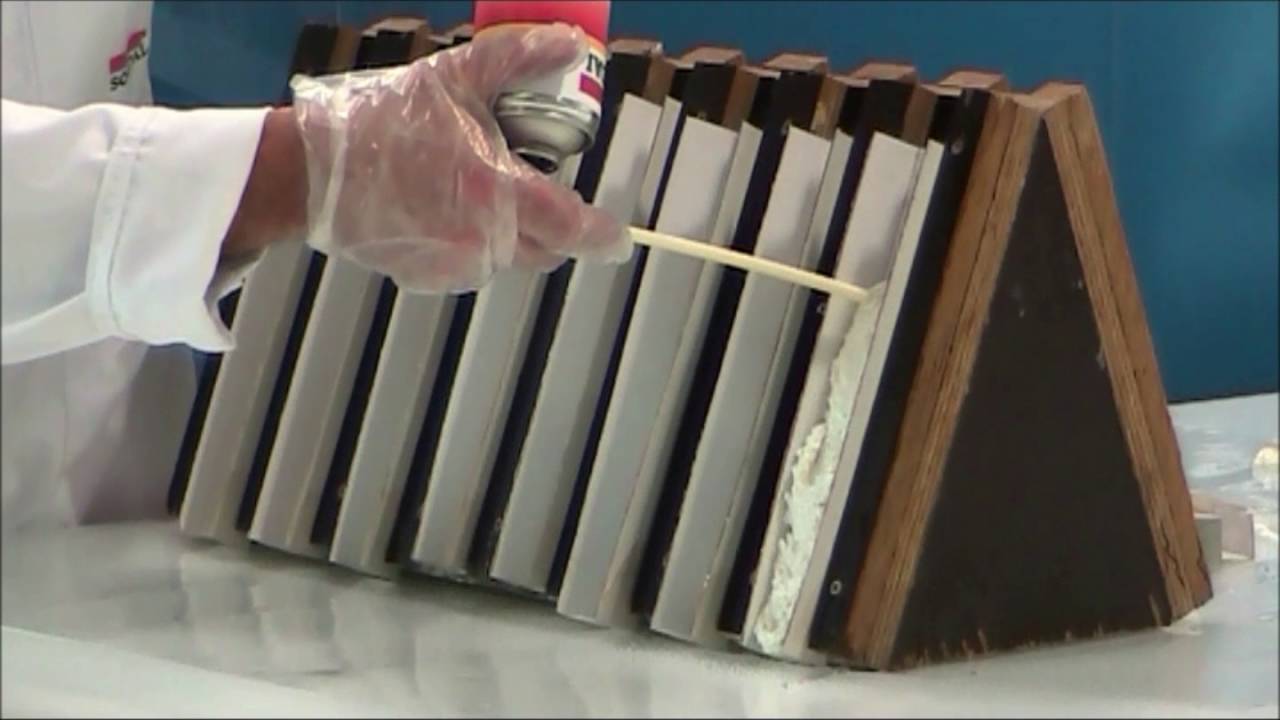
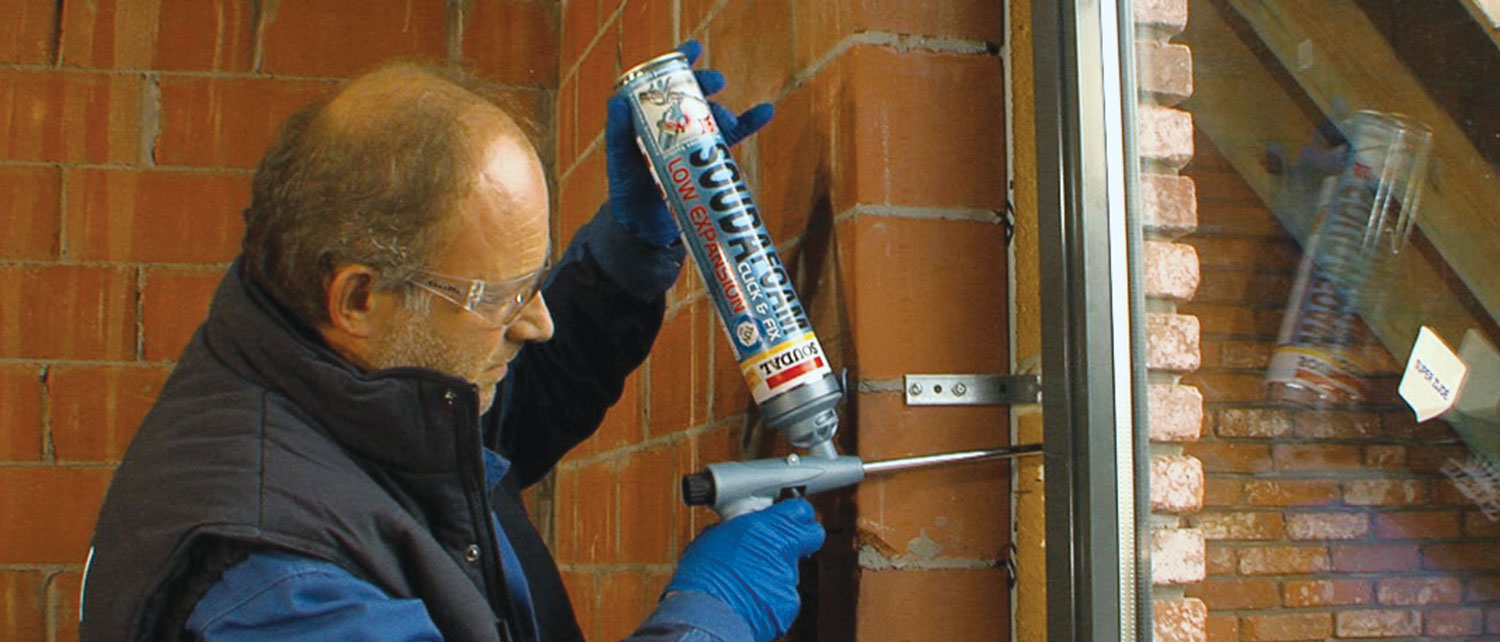
Watch

See how PU foam expands and fills.

See the application principle, then use the product instructions for preparation, dosing, curing and protection.

Open-cell PU Foam Technology

Why cell structure matters

PU foam needs the right balance of density, yield and strength. Foam that is too dense gives less volume and poorer insulation; foam that is too light may lack the stability the job requires.

Soudal has developed open-cell formulations and manufacturing controls to manage that balance across its PU foam range.

The aim is a stable foam with useful strength, efficient yield and a consistent cell structure.

An open-cell structure also supports controlled expansion, moisture curing and thermal and acoustic insulation.

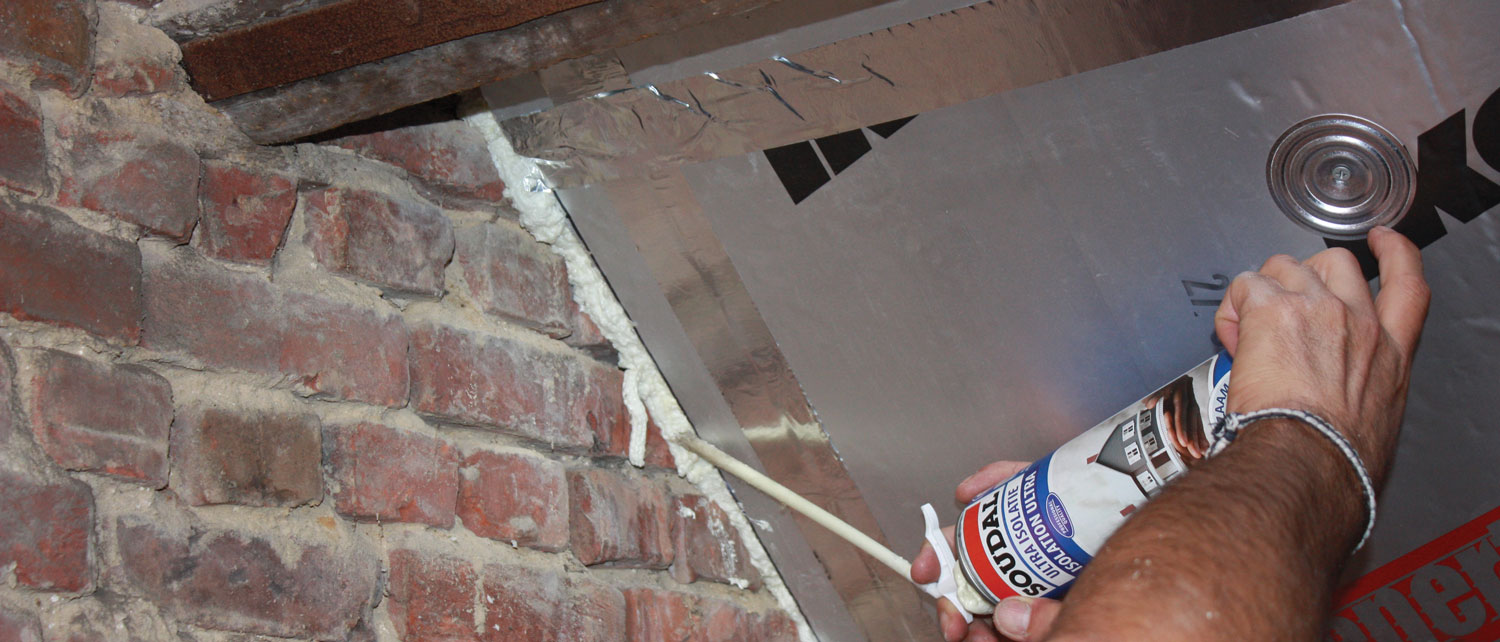
Soudal PU foam applied around a window frame

Higher Yield

More usable foam per can

Yield is the volume of cured foam produced from one can. A higher usable yield means more joints and gaps filled with each can, although the result changes with temperature, humidity, bead size and application method.

Soudal balances density and cell structure to achieve high yield without giving up the stability needed after cure.

A visual comparison of PU foam yield

Better insulation

Create a barrier to save energy

Gaps around windows, doors and service penetrations can undermine an otherwise well-insulated wall. Filling those irregular spaces helps maintain a more continuous insulation layer.

PU foam’s cellular structure makes it useful for reducing heat and air movement through suitable construction gaps.

That matters in Singapore as much as in a cold climate: reducing unwanted heat gain and conditioned-air leakage can ease the load on air-conditioning.

Filling open gaps can also reduce paths for sound. The result depends on the selected foam and the complete joint or frame design.

Choose the foam by its documented insulation values, expansion behaviour and the needs of the actual detail.

PU foam forming an insulating layer around a building joint

Controlled expansion

For accurate dosing and reduced wastage

More expansion is not always better. The foam needs to grow enough to fill the cavity without creating excessive waste or pressure on the surrounding work.

Soudal calls this controlled expansion: a predictable increase in volume after the foam leaves the applicator.

Fill only the portion of the gap stated in the instructions and let the foam expand. Accurate dosing reduces trimming and helps keep the finished cell structure consistent.

Controlled expansion of Soudal PU foam

Superior dimensional stability

Filling joints, not bending them

Soudal PU foams combine their cell structure and controlled expansion to limit curing pressure and remain stable after application.

Foam with poor dimensional stability can keep expanding or create enough pressure to move a frame or lightweight profile. Correct dosing, temporary bracing and the right product all help prevent that.

Soudal foams are formulated for stable behaviour during and after curing, with controlled post-expansion so frames and profiles are not pushed out of shape. Follow the fill guidance for the selected foam and leave room for expansion rather than overfilling the cavity.

A frame joint illustrating PU foam dimensional stability

Ready to use

Apply without mixing

Straw foams come with a simple applicator, so they are convenient for small or occasional jobs without extra equipment.

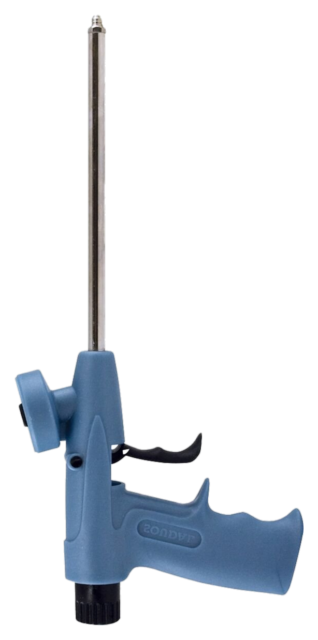
Gun-grade foams need a compatible foam gun and cleaner, but give finer flow control for repeated work.

Both are ready to use without mixing. Shake the can, attach the correct applicator and dispense the amount recommended for the gap.

The lightweight can is easy to move around a site and reaches irregular spaces that can be awkward to fill with mixed mortar or grout.

Under the stated conditions, a 750 ml can produces up to 60 litres of cured foam, making it practical for filling many small gaps.

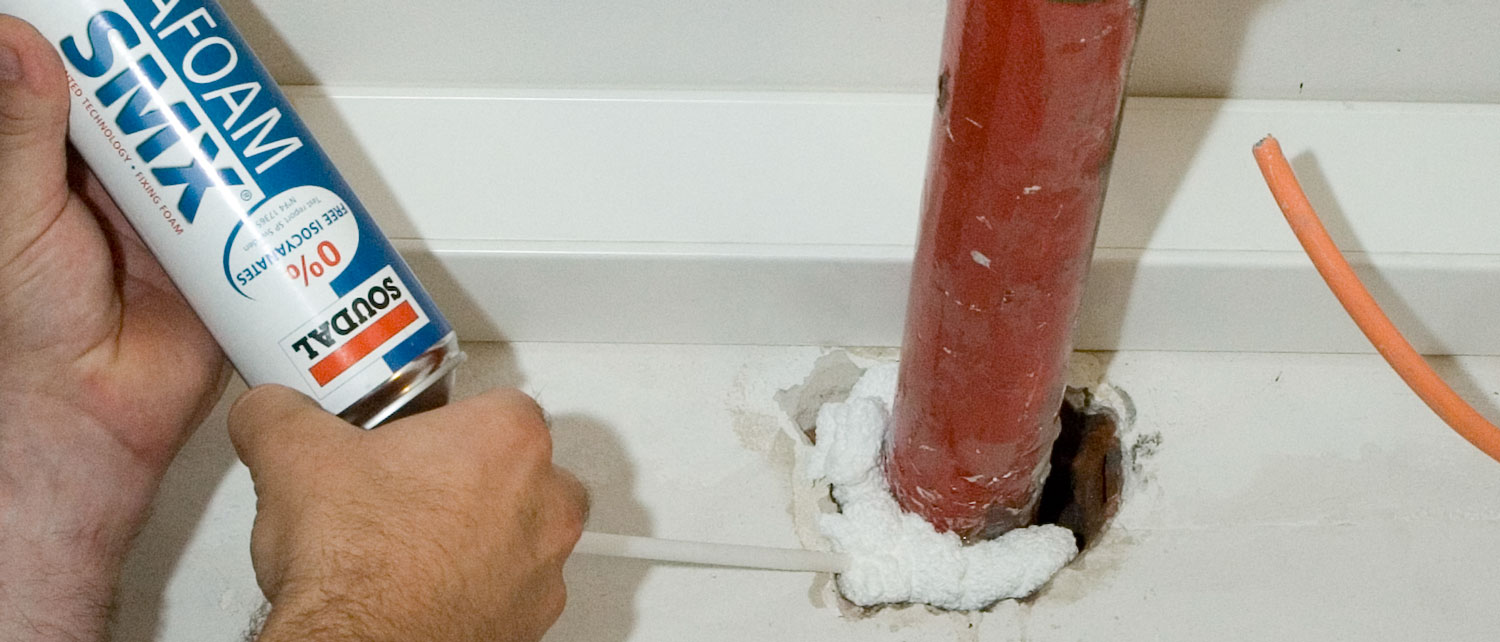
PU foam dispensed around service penetrations

Storage and shelf life

Protect performance before use

PU foam performance depends on how the can is stored before use. Heat, age and damaged valves can affect the pressure, cell structure and usable yield.

Soudal formulates the contents and designs the can, valve and nozzle as one system to keep the product stable through its stated shelf life.

Store cans upright within the temperature range on the label, protect them from heat and use them before the marked expiry date.

Soudal PU foam cans in storage

Consistency

Consistent from can to can

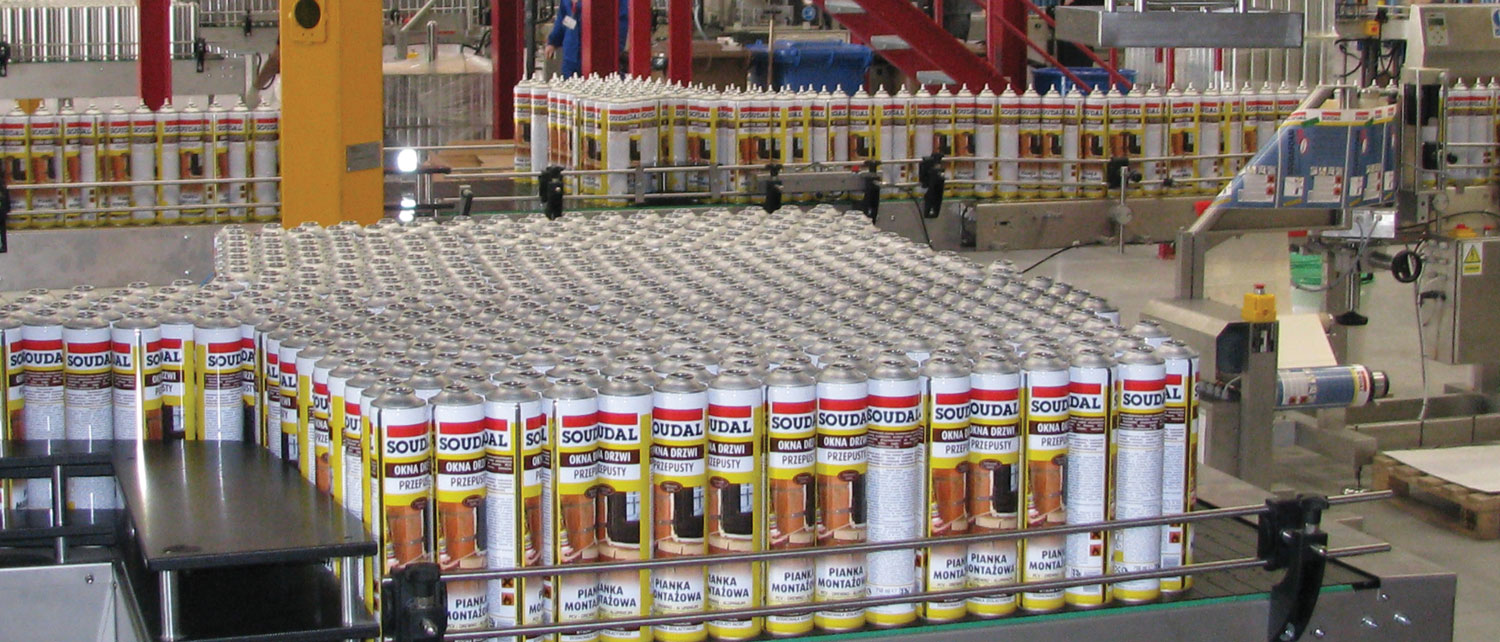
Consistent fill, formulation and cell structure make a foam easier to dose and help it behave predictably from one can to the next. Soudal uses automated filling and quality checks on raw materials and finished products to control that consistency.

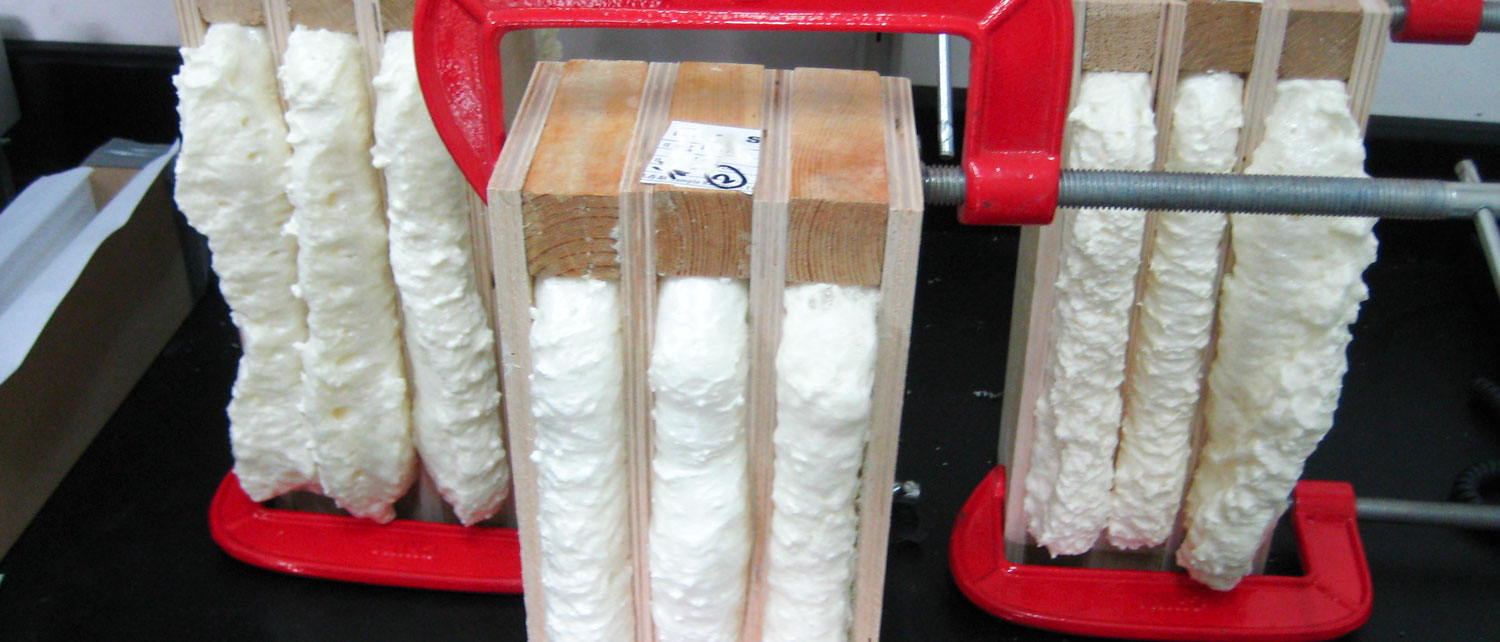
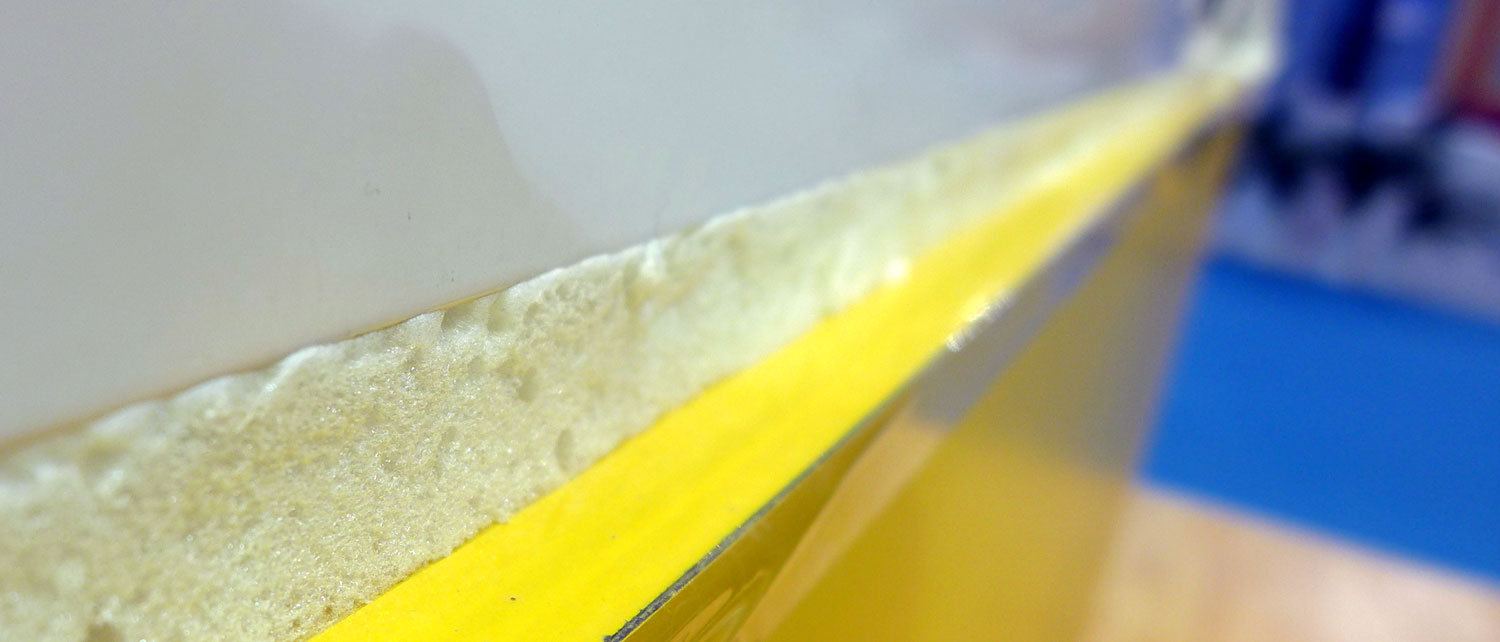
Consistent cell structure in cured Soudal PU foam

Different application methods

Choose a straw or foam gun

Straw foams are convenient for small, immediate jobs because the applicator comes with the can. Gun-grade foams need a separate applicator and cleaner, but give finer control and are usually the better choice for repeated or larger work.

Handheld straw application of Soudal PU foam

Fire-rated

For tested fire-resistant systems

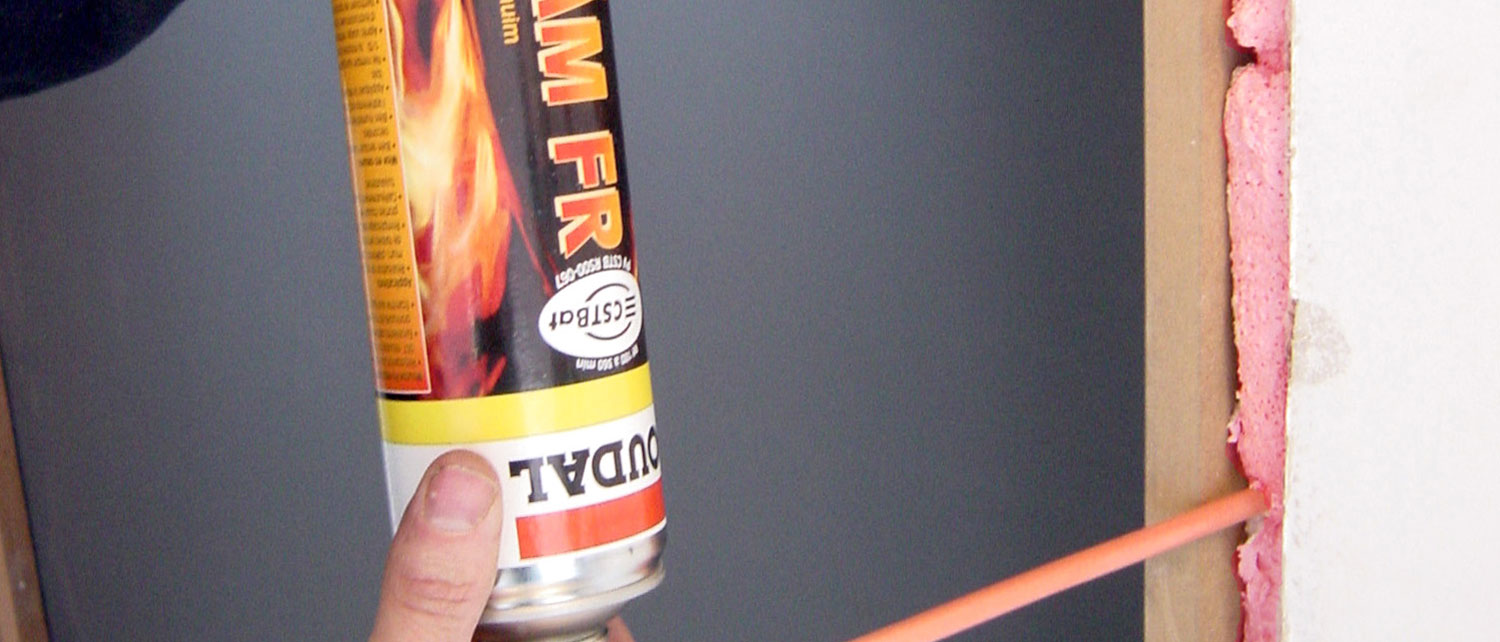
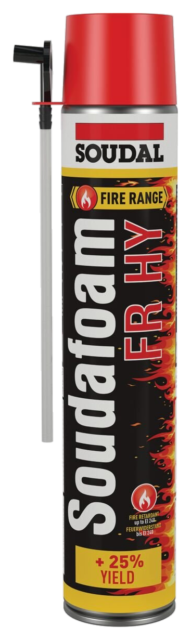
Soudafoam FR HY is intended for fire-resistant joints and penetrations that match its tested systems. Current product documents report ratings of up to 240 minutes in particular configurations. The result depends on the wall or floor, opening, orientation, backing and other materials, so follow the report for the proposed detail.

Fire-resistant Soudal PU foam in a tested joint context

Made in Belgium

European production and quality control

Soudal manufactures PU foam in Europe using its own formulations and automated production lines. Raw-material, filling and finished-product checks help keep the foam consistent from can to can.

Soudal manufacturing facilities in Europe

Gun or straw?

Choose by quantity, control and repeat use.

A straw can is convenient for a small one-off job. A maintained foam gun gives finer flow control and is usually the practical professional choice for repeated applications.

Professional control

Gun-grade foam

Best fit
Repeated, larger or precision work
Control
Adjustable gun flow
Extra equipment
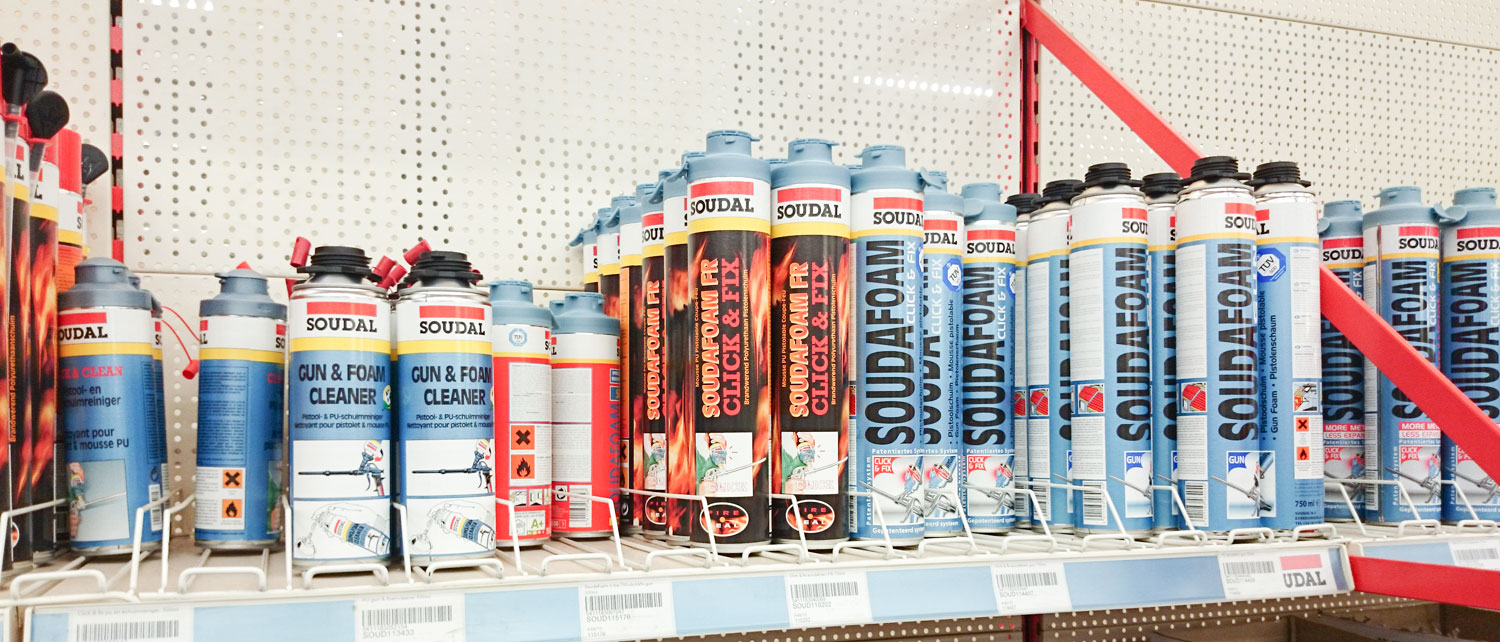
Compatible foam gun and Gun & Foam Cleaner
After use
Store and maintain the gun correctly

One-off convenience

Straw-grade foam

Best fit
Small, occasional jobs
Control
Simple disposable applicator
Extra equipment
Straw included
After use
Follow the can instructions for part-used product

Gun maintenance

Clean fresh foam before it cures.

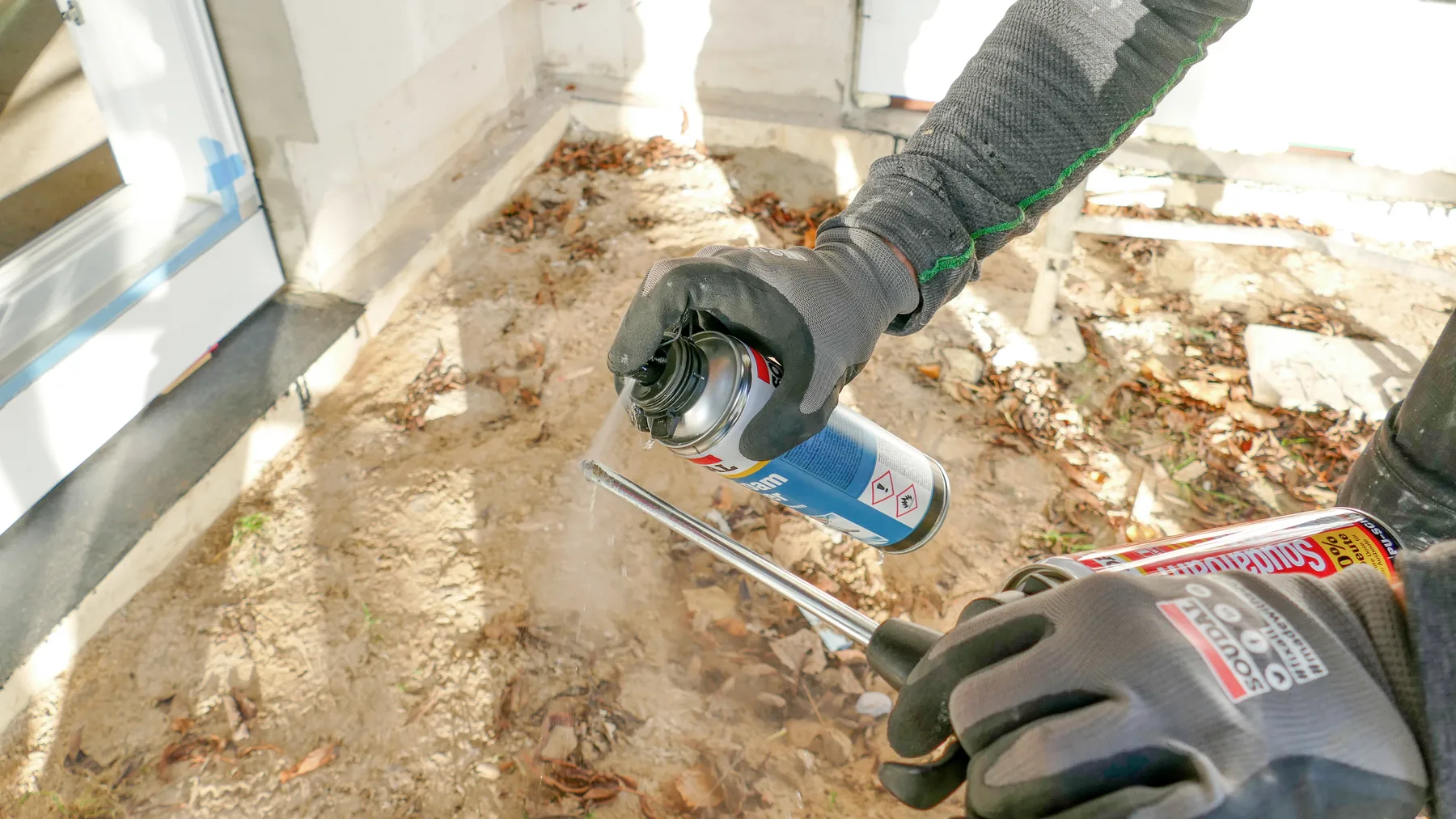
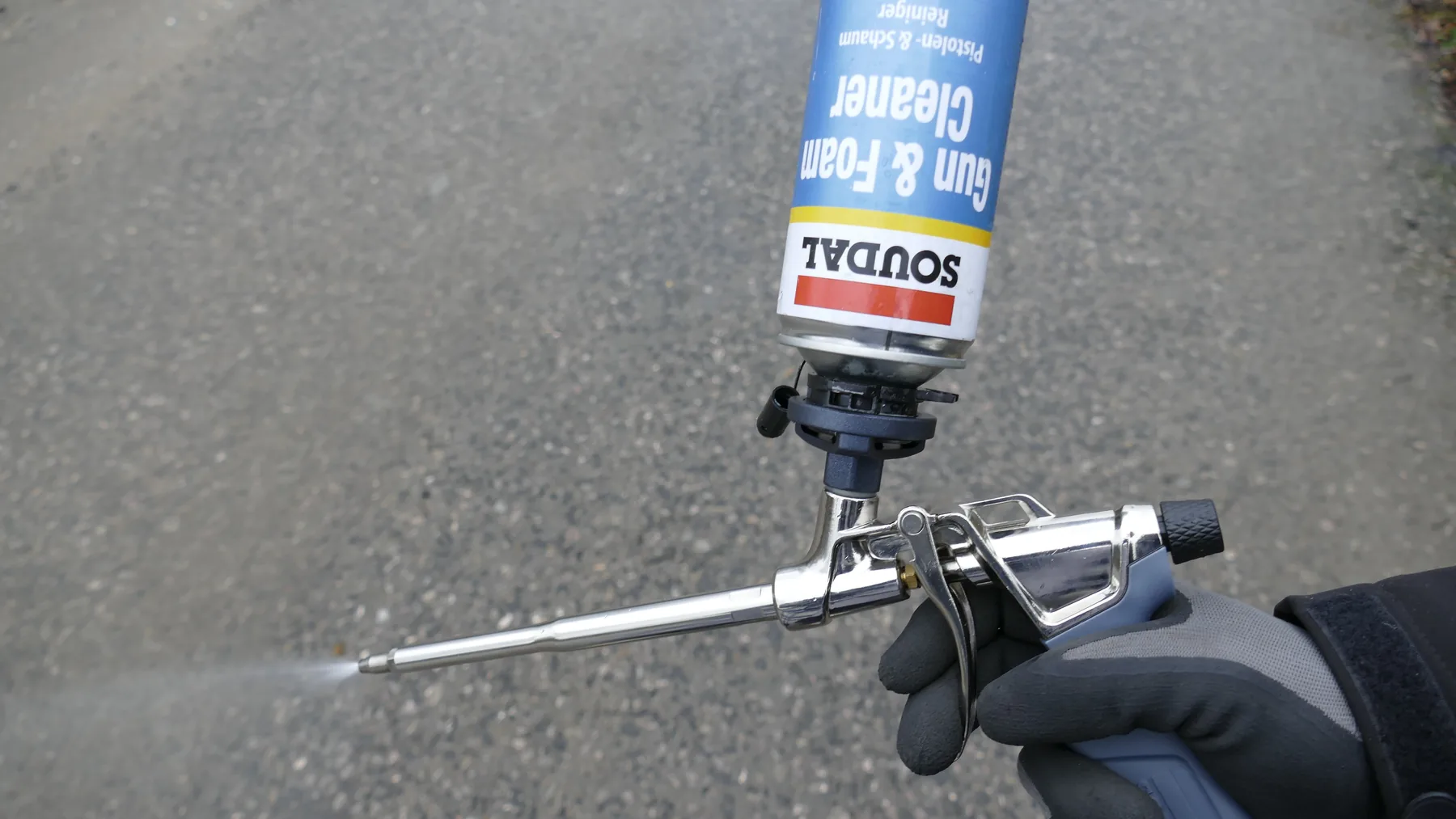
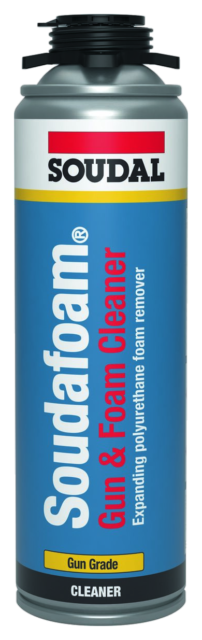
Gun & Foam Cleaner helps remove fresh, uncured PU foam from compatible applicators and external surfaces. Fully cured foam can be removed mechanically or with a dedicated cured-foam remover. Follow the safety data sheet and protect nearby finishes.

View Gun & Foam Cleaner →
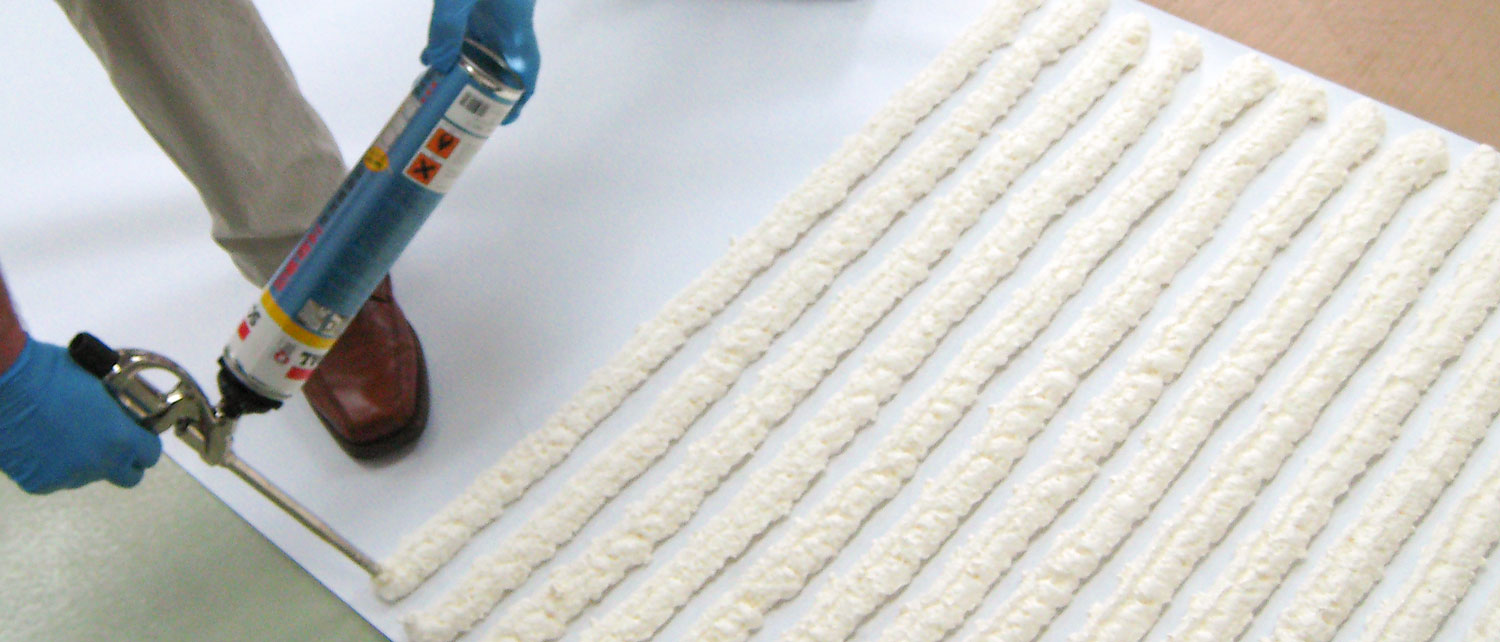
Cleaning fresh PU foam from the outside of a foam-gun barrel.
Cleaning a compatible PU-foam applicator gun after use.

Choose your system

PU foams and accessories for Singapore.

Compare straw and gun foams, fire-resistant foam, cleaner and a compact applicator, with technical details on every product page.

Straw-type PU Foam

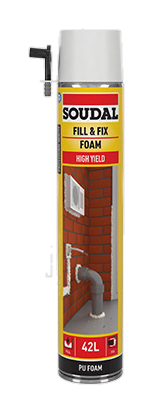
Fill and Fix Foam

Self-expanding PU foam with an included straw applicator for convenient filling and insulation of suitable gaps, cavities and joints.

Learn more →

Gun-type PU Foam

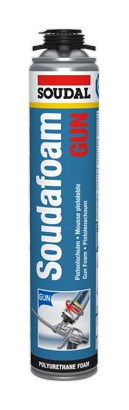
Soudafoam Gun

Professional gun-applied PU foam for controlled dosing on repeated or larger jobs. It fits compatible threaded foam guns.

Learn more →

Fire-rated PU Foam

Soudafoam FR HY

PU foam for tested fire-resistant joints and penetrations. Current documents report ratings of up to 240 minutes in particular configurations; follow the relevant report for the complete system.

Learn more →

Cleaner and maintenance

Gun and Foam Cleaner

Removes fresh, uncured PU foam and helps maintain compatible foam guns. It includes a threaded gun connection and a spray attachment for external cleaning.

Learn more →

Singapore context

Insulation matters in a hot, air-conditioned city.

Good insulation matters in Singapore too. Gaps around windows, doors and service penetrations can let in heat, air and noise, so finish the installation with the right air, water and weather seals.

Finish the whole detail

Finish cured foam with suitable weather and UV protection, use mechanical fixings wherever the assembly design calls for them, and follow the SDS guidance for PPE and ventilation.

Get product selection help

Current product documents

Technical information for every foam.

Each product page provides the latest verified English technical files available for its formulation, plus a direct route to request additional documents.

Choose a foam

Selection support

Tell us about the gap, joint or penetration.

Send the dimensions, surrounding materials, exposure and photographs, along with any fire, insulation or other project requirements. PFE Technologies can help narrow the local range.